Vulcan failed. Was it Blue Origin's engine?
ULA's Vulcan lost 40 Amazon Leo satellites on Sunday. Its first stage runs on Blue Origin's BE-4, the engine family behind New Glenn's explosion in May. The first finding points somewhere else, but the case is not closed.
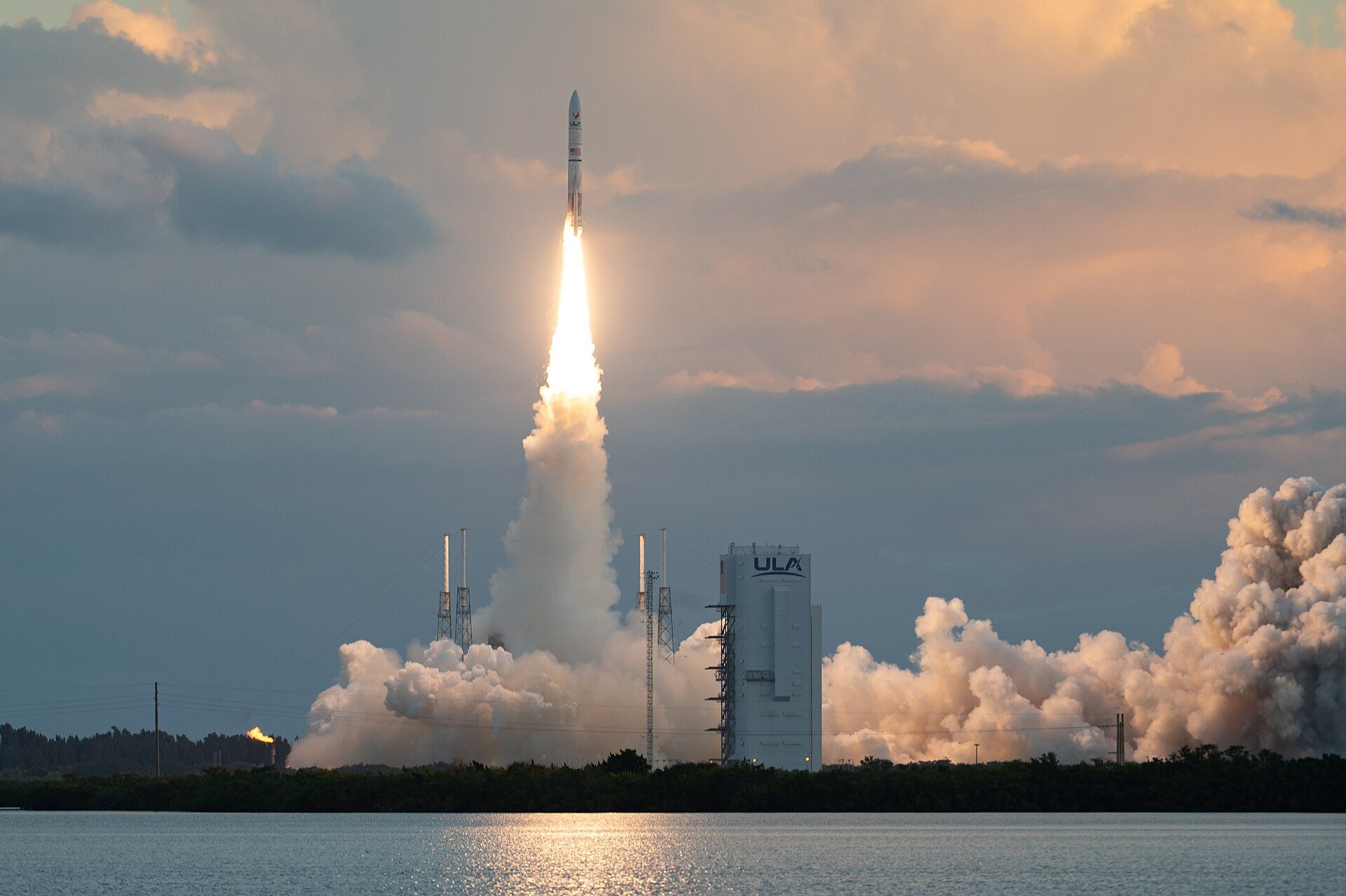
By Boggle Riley · Photo: U.S. Space Force photo by Airman 1st Class Collin Wesson, public domain (Vulcan's second flight, October 4, 2024, not Sunday's)
Published November 20, 2026. Facts as of that day. Some details may have changed since.
At 12:40 p.m. Eastern (11:40 a.m. Central) on Sunday, November 15, 2026, United Launch Alliance's Vulcan rocket lifted off from Cape Canaveral, Florida, with 40 of Amazon's Leo internet satellites on board. About ten minutes later, ULA lost contact with it. The satellites never reached orbit.
It was Vulcan's fifth flight and its first since February. Spaceflight Now called it the first outright failure of a ULA rocket since the company was formed in 2006.
The rocket is ULA's. But the first question everyone asked was about someone else's hardware: the two engines at the bottom of it, built by Blue Origin.
Why Blue Origin is in this story
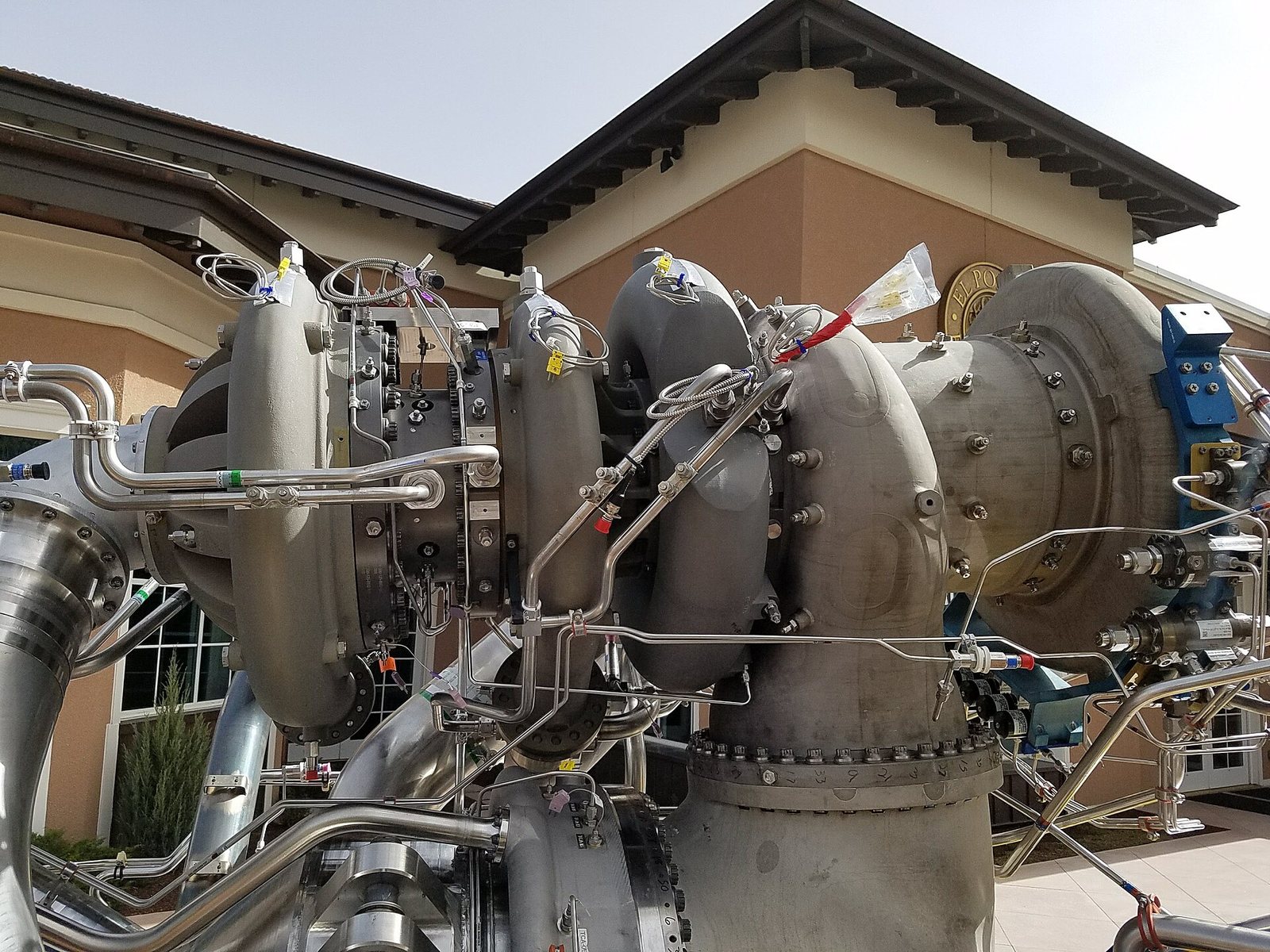
Vulcan's first stage is pushed by two BE-4 engines, which burn liquid methane and liquid oxygen. Blue Origin builds them, and it puts seven BE-4s on the first stage of its own big rocket, New Glenn. The two versions are not identical: New Glenn's engines also have to relight, land and fly again. But they share a design.
That engine has had a hard year. On May 28, a New Glenn exploded on its pad at Cape Canaveral during a static fire test, a full engine firing on the ground before launch, and damaged Blue Origin's only orbital launch site. In August, Blue Origin's chief executive, Dave Limp, wrote that the failure "originated at the main oxygen valve on one of the BE-4 engines," with the rest of the fault analysis still under way. Blue Origin modified the valve and retrofitted the engines, Vulcan's included. The two BE-4s on Sunday's Vulcan carried the fix.
So when Vulcan came up short on Sunday, the engine was the obvious suspect.
What ULA has found so far
ULA's first account, on Tuesday, said the rocket's first stage, which ULA calls the booster, performed poorly from just after liftoff. It fell away from the upper stage too low and too slow to reach orbit. The upper stage, Centaur, separated and lit its own engines as planned, but ULA's chief executive, Mark Peller, said the first stage had left it in too low an energy state to make up the difference.
"Booster" here means the main first stage, not the six solid rocket boosters strapped to its sides. ULA says those performed normally. Peller called them "six clean SRBs."
On Wednesday, ULA said its preliminary look at the flight data points to "inadequate fuel supply from the vehicle to the BE-4 engines, not from the performance of the engines." In plain words: the engines appear to have done their job with the fuel they got, and they did not get enough.
Read that carefully. It is a first finding, not a final cause. ULA has not said which part of the rocket failed to deliver the fuel, or why, and it says work remains. Spaceflight Now read the statement as pointing away from the BE-4. Blue Origin has not said anything publicly about Sunday's failure. The Federal Aviation Administration (FAA) is overseeing ULA's investigation and has to approve its final report, including any fixes.
Vulcan's hard road to here
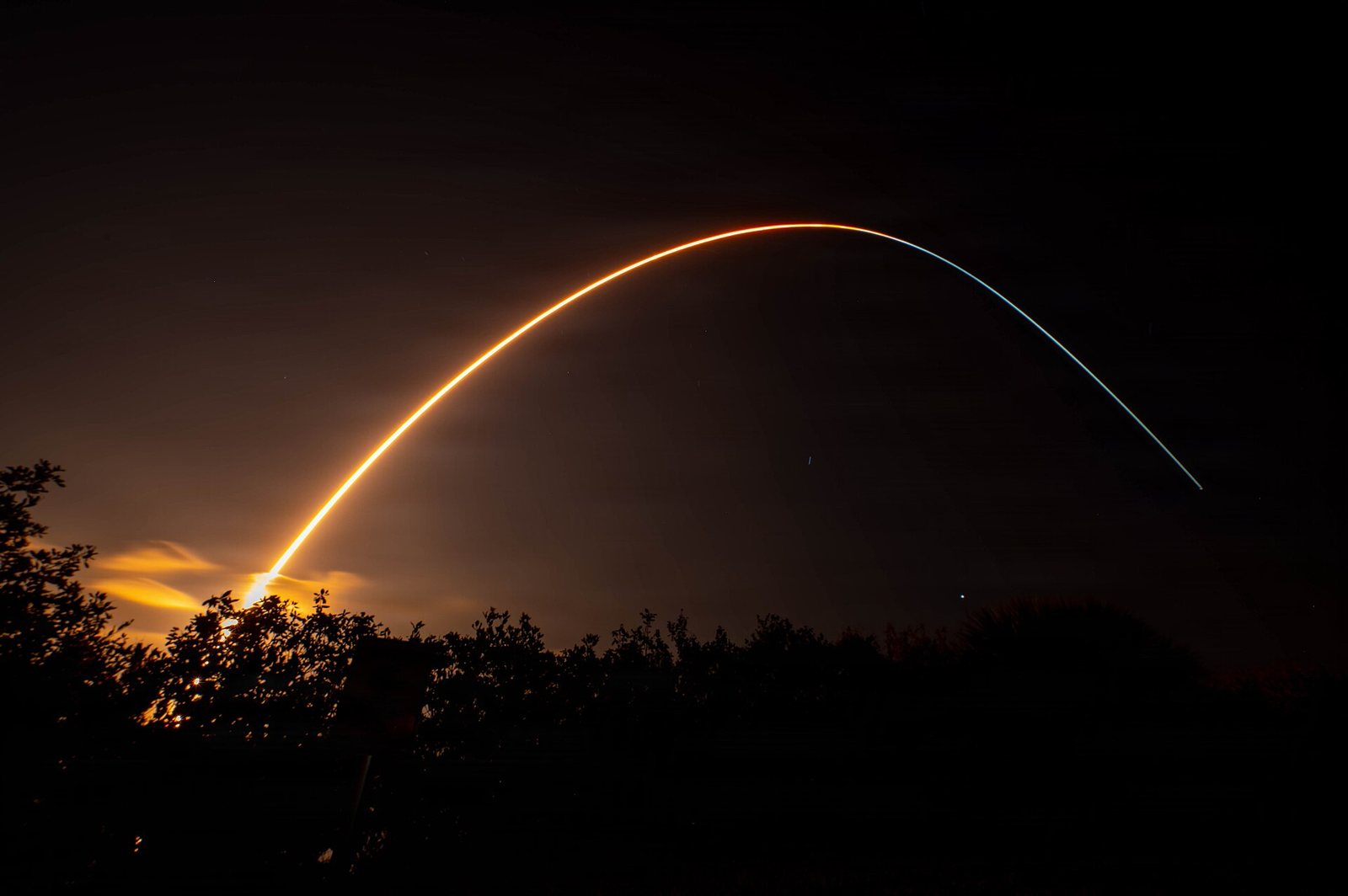
Vulcan has flown five times. Three of those flights had problems, and Sunday's is the only one where the payload did not reach orbit.
In October 2024, on its second flight, the nozzle on one of its solid boosters failed. The rocket still reached its planned orbit. On February 12, 2026, another booster appeared to burn through its nozzle. Vulcan reached orbit again, but the Space Force paused its national security launches on the rocket. Fixing the boosters kept Vulcan on the ground for nine months.
Sunday was the return. This time, by ULA's account, the solid boosters were fine. Something else was not.
What it means
For Blue Origin. If the finding holds, it is good news for the BE-4, and that matters well beyond Vulcan. New Glenn has not flown since its pad explosion in May. Bloomberg reported, from a memo by Limp, that Blue Origin is aiming to fly it again in January, and a filing with the Federal Communications Commission lists a launch window from January 15 to April 15. A second engine problem would have made that harder to believe.
For Amazon. Amazon lost 40 satellites for its Leo internet network. It has bought 38 Vulcan launches, and New Glenn is one of its rockets too. With both grounded, Amazon's other booked rides are Europe's Ariane 6 and SpaceX's Falcon 9.
For the Space Force. It wants Vulcan to carry national security satellites and is waiting again.
For the Moon. NASA is weighing a stretched version of Vulcan's Centaur upper stage for the Space Launch System rocket on Artemis IV. NASA Administrator Jared Isaacman posted on X on Sunday: "Artemis, Moon Base, and the nation need ULA."
Neither ULA nor Blue Origin has set a date to fly again. The next answer to watch for is the part of the rocket that starved the engines, and why.
The flight at a glance
- Launched: Sunday, November 15, 2026, 12:40 p.m. Eastern (17:40 UTC), Space Launch Complex 41, Cape Canaveral Space Force Station, Florida
- Rocket: Vulcan, with six solid rocket boosters, its fifth flight
- Mission: Amazon Leo LV-01, 40 satellites
- What happened: low first-stage performance from liftoff; stage separation too low and too slow; contact lost about ten minutes in; no satellites reached orbit
- First finding (November 18): too little fuel reached the two BE-4 engines; the engines themselves performed; the cause upstream is not yet known
- Investigation: led by ULA, overseen by the FAA
Sources
- Spaceflight Now, Vulcan failure investigation focuses on 'inadequate fuel supply' to booster engines, November 18, 2026 (the time, the timeline, ULA's statements, Peller, Isaacman, the FAA, Vulcan's earlier flights, the BE-4 fix, New Glenn's return, Amazon's launches)
- Spaceflight Now, ULA suffers first outright failure with loss of Vulcan rocket carrying 40 Amazon Leo satellites, November 15, 2026
- Spaceflight Now (Will Robinson-Smith), Blue Origin identifies engine issue behind New Glenn explosion, August 6, 2026 (the May 28 explosion, Limp's post, the valve fix, the differences between the two BE-4s)
- SpaceDew's launch record, from Launch Library 2 (The Space Devs): Vulcan VC6L, Amazon Leo (LV-01), November 15, 2026, 17:40:30 UTC, failure
- Photos: U.S. Space Force, Airman 1st Class Collin Wesson, Vulcan Cert 2 Launch, October 4, 2024, public domain; N2e, BE-4 rocket engine Powerhead, April 17, 2018, licensed CC BY-SA 4.0; U.S. Space Force, Staff Sgt. Samuel Becker, USSF-87 Successfully Launches From SLC-41, February 12, 2026, public domain. No freely licensed photograph of Sunday's flight was available on November 20, 2026.


Follow Blue Origin on SpaceDew
Get SpaceDew by email
Free. Tick what you want, and nothing else is sent.