Rep. Burlison Claims Classified UFO Video Shows Intelligently Controlled Plasma Orbs
The Nuclear Files: Why America's Atomic Watchdog Keeps Classified UAP Records
Rep. Eric Burlison says he watched classified video of "intelligently controlled plasma orbs" at a recent congressional briefing. The revelation shocked lawmakers. But buried in the National Archives is evidence that federal agencies have been tracking unidentified objects around America's most sensitive facilities for decades—and some of those files remain classified today.
The Nuclear Regulatory Commission maintains partially restricted UAP records in 2024. That's worth pausing on. The NRC doesn't investigate aviation safety. They don't track military threats. They regulate nuclear power plants and radioactive materials. If UAPs were simply misidentified aircraft or weather balloons, why would the civilian agency responsible for nuclear safety keep classified files on them?
The Archives Tell a Different Story
While Pentagon officials testified to Congress that UAPs primarily pose aviation safety concerns, the National Archives reveal a broader government interest. The newly established Record Group 615 contains UAP files from multiple civilian agencies—including the Nuclear Regulatory Commission, whose records carry the most restrictive classification markings of any UAP documents currently available.
The Pentagon's own historical review acknowledges decades of military UAP investigations. But the civilian paper trail suggests something more systematic. The Federal Aviation Administration maintained separate UAP files from the Air Force. Recent FAA incident reports show commercial pilots still file UAP encounters—flight AAL2928 reported "UFO-UAP activity" over commercial airspace in October 2023.
Two agencies. Same phenomenon. Different filing cabinets.
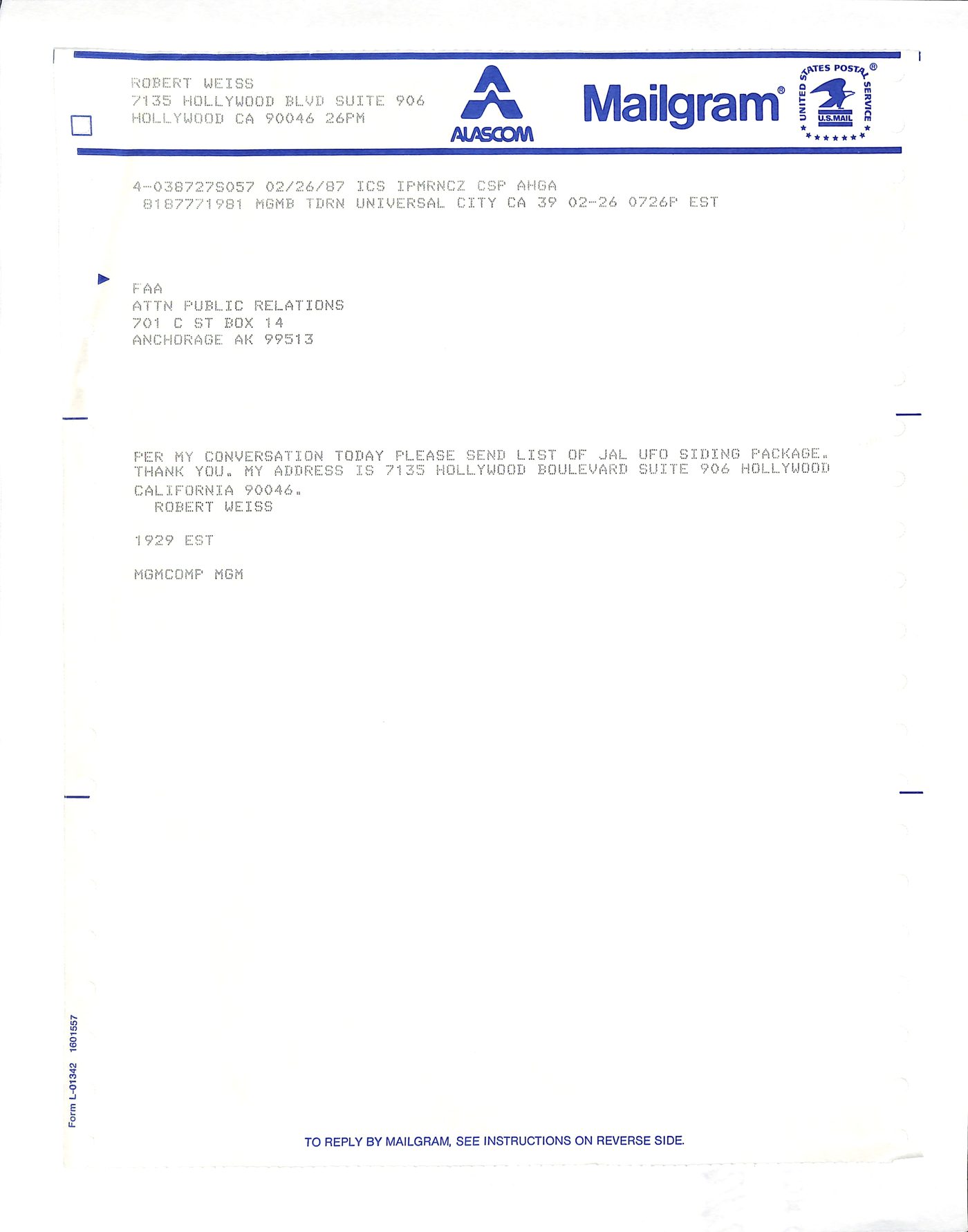
FAA UFO correspondence from the 1970s
Source: National Archives, NAID 40587653. View full document
The CIA's Photo Analyst
The intelligence community's public stance has long been that UAPs received minimal attention. The archives suggest otherwise. In 1969, CIA photo interpretation specialist Dino Brugioni wrote an internal analysis titled "The Unidentifieds" for the agency's classified journal Studies in Intelligence.
Brugioni wasn't a casual observer. He was the CIA's expert on photographic analysis—the same analyst who would later examine U-2 spy plane imagery during the Cuban Missile Crisis. His 22-page UAP study indicates the agency dedicated serious analytical resources to the phenomenon.
The document exists. The expertise was real. The narrative that intelligence agencies dismissed UAPs doesn't match the archival record.
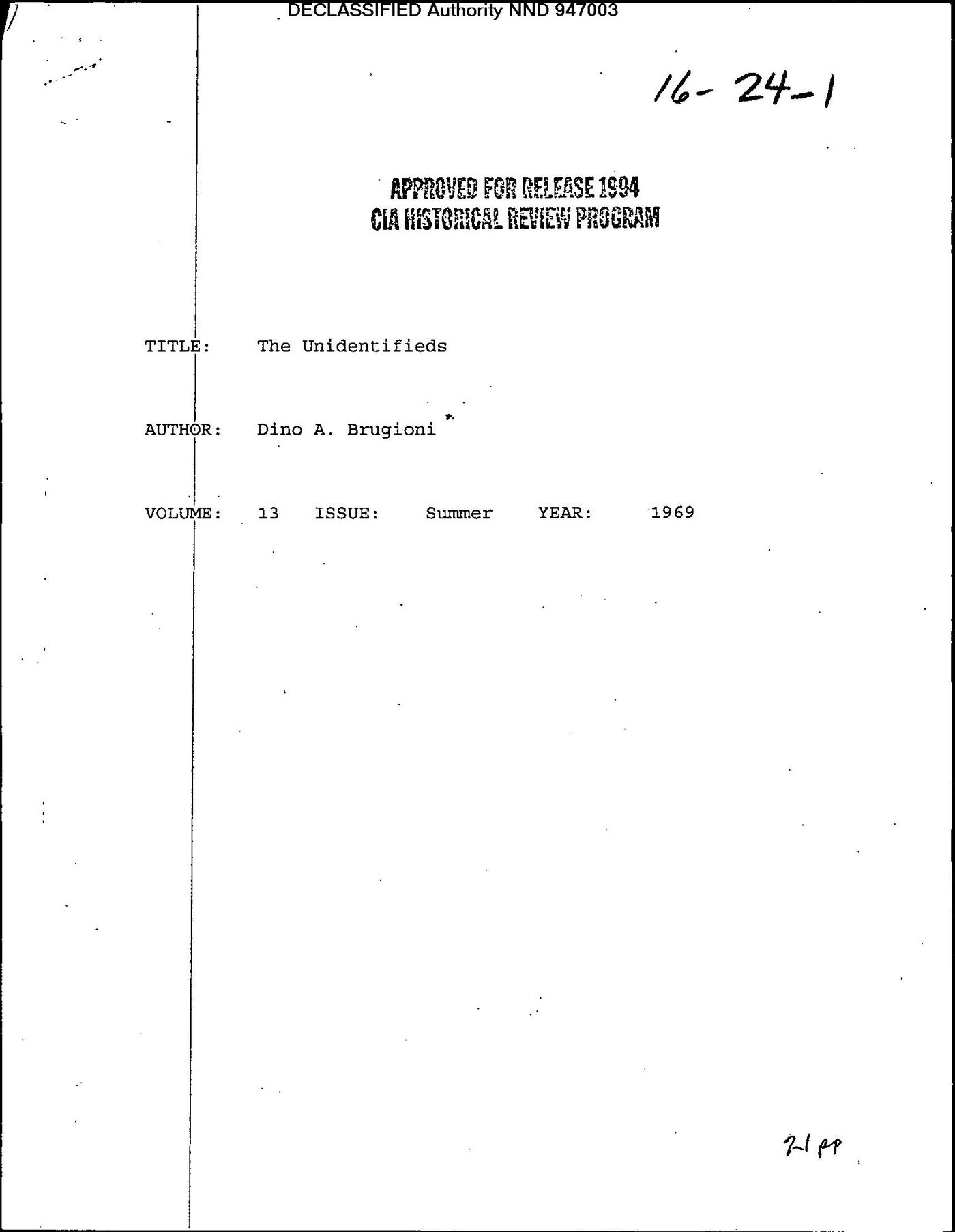
CIA internal analysis "The Unidentifieds" by Dino Brugioni
Source: National Archives, NAID 7283768. View full document
The 1968 Symposium Nobody Mentions
Congressional hearings aren't new. The Air Force held a "Symposium on Unidentified Flying Objects" in 1968—129 files that most UAP researchers have never seen. The symposium brought together military officials, scientists, and analysts for what appears to have been a comprehensive review of the phenomenon.
The symposium happened during the height of Project Blue Book. It suggests the Air Force was conducting parallel, more serious analysis while publicly dismissing most sightings as conventional objects or atmospheric phenomena.
The Nuclear Question
The Nuclear Regulatory Commission's restricted UAP files represent the most intriguing thread. Nuclear facilities have always been sensitive to airspace violations. But why would UAP reports require ongoing classification if they involved conventional aircraft or natural phenomena?
The NRC was established in 1974 to regulate civilian nuclear facilities. Their UAP files suggest incidents involving unidentified objects near nuclear infrastructure continued well beyond the military's Project Blue Book era, which ended in 1969.
The Pentagon's recent UAP reports make no specific mention of nuclear facility incidents. The NRC's classified files suggest there's more to discuss.
What the Metadata Reveals
The National Archives' new UAP collection spans multiple agencies and decades. The FAA contributed hundreds of pages of UFO correspondence from the 1970s and recent pilot reports. The Office of the Director of National Intelligence provided official assessments. The Defense Department submitted historical reviews and briefing materials.
The Nuclear Regulatory Commission provided one file. It remains partially restricted.
That disparity tells a story. Either the NRC has minimal UAP-related materials, or they're not ready to release what they have. Given that every other contributing agency provided unrestricted documents, the NRC's classification decision stands out.
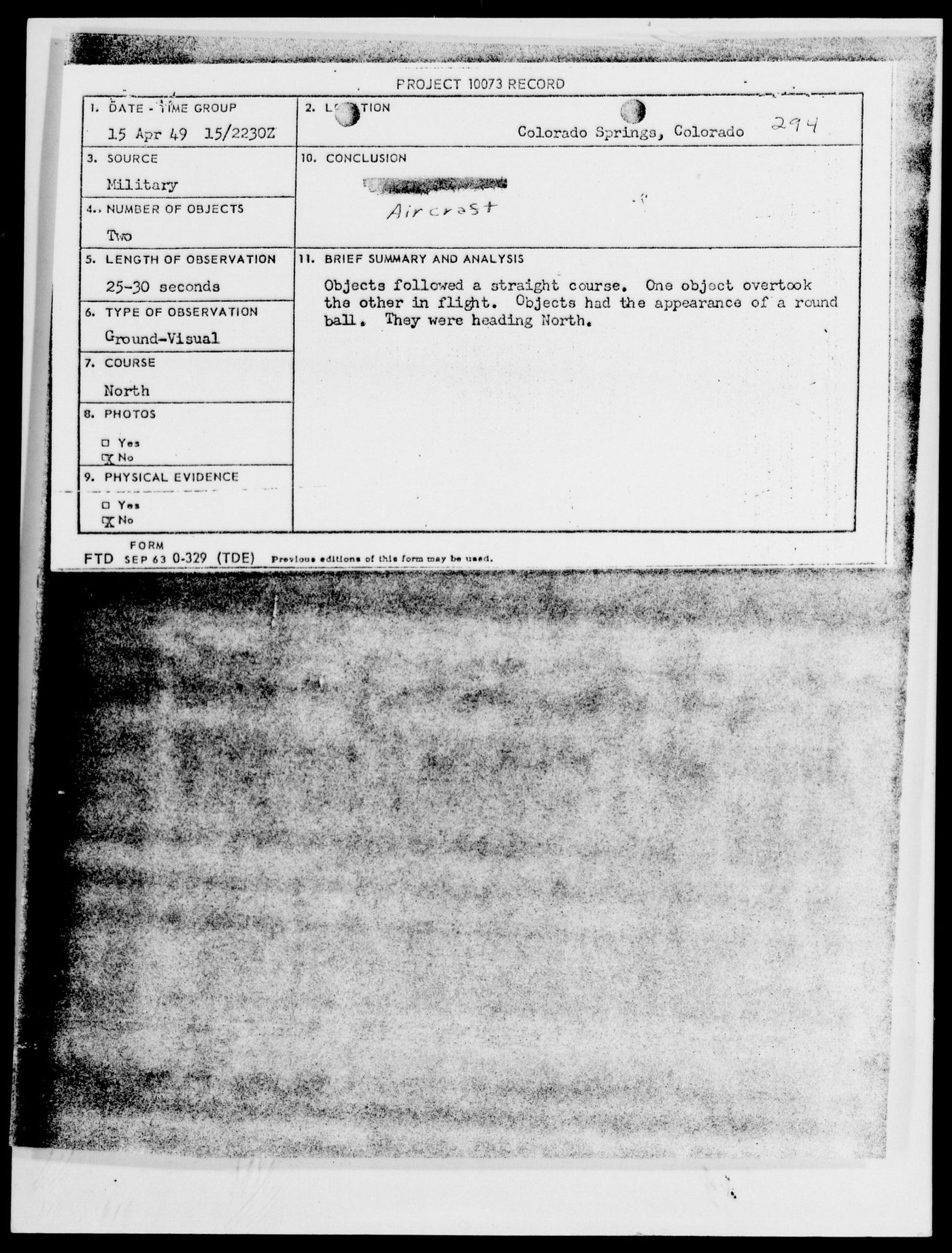
Project Blue Book case file from Colorado Springs, 1949
Source: National Archives, NAID 28934157. View full document
The Buried Lede
Rep. Burlison's classified briefing may have shown "intelligently controlled plasma orbs," but the National Archives already document decades of government UAP investigations across multiple agencies. The biggest revelation isn't what officials are finally willing to discuss in congressional hearings.
It's what they've been quietly documenting all along.
The Federal Aviation Administration kept 89 pages of UFO letters in one folder alone. The CIA assigned a photo interpretation specialist to analyze unidentified objects. The Air Force held a major symposium on the phenomenon in 1968. The Nuclear Regulatory Commission maintains classified UAP files in 2024.
Congressional transparency efforts are catching up to what the filing cabinets already contain.
What's Next
Watch the Nuclear Regulatory Commission. Their partially restricted UAP files represent the only classified materials in the National Archives' new collection. If congressional pressure continues, those files may provide the most significant disclosures yet.
The archives suggest UAP investigations never really stopped. They just moved to different agencies and different filing systems. The question isn't whether the government has been tracking unidentified objects. It's why some of those records still can't be fully released.
Stay curious.
Follow @boggleriley | Subscribe at spacedew.com