Crew-12 Heads Home After Six Months of Medical and Quantum Research on the Station
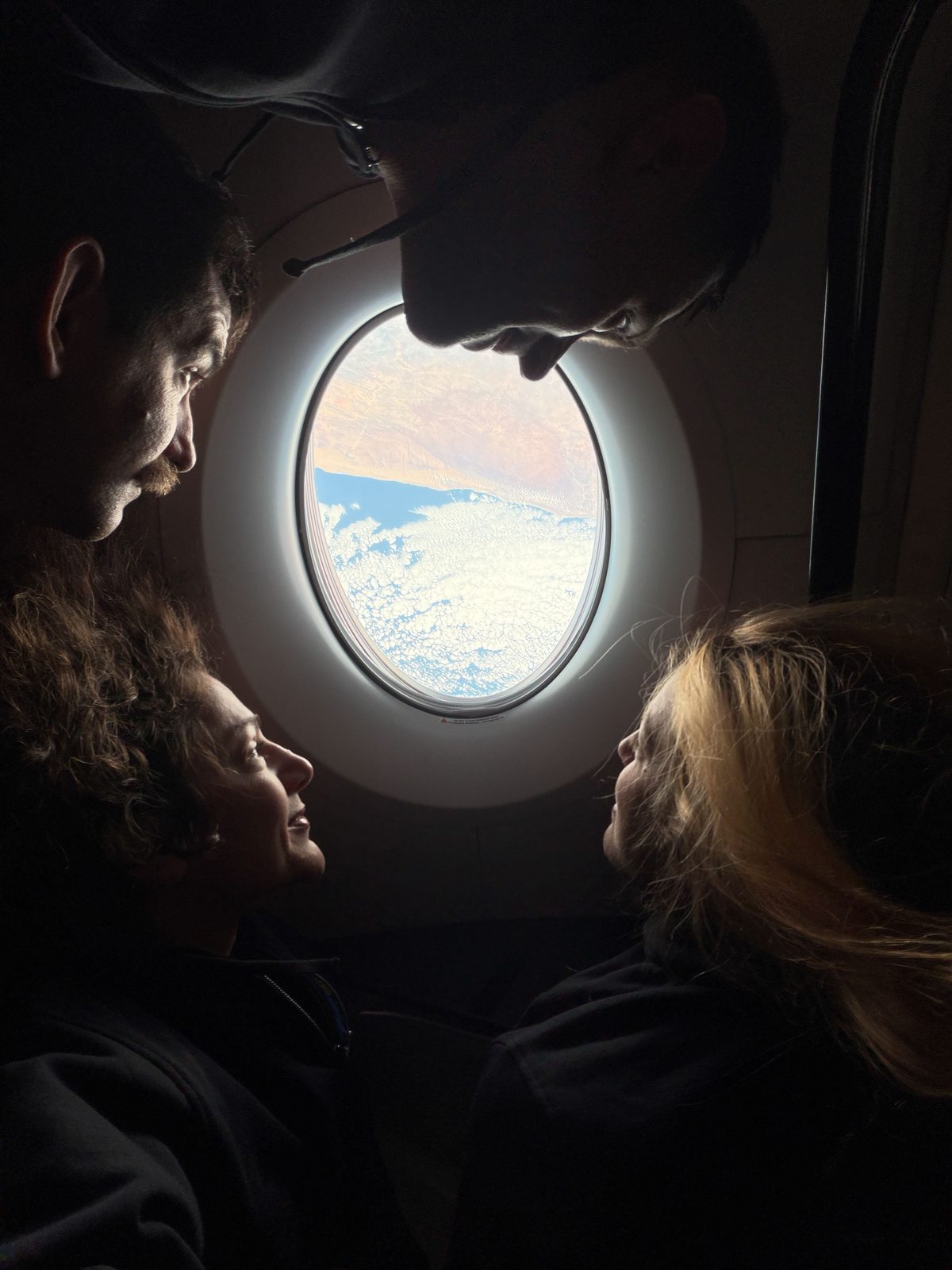
Four international crew members are leaving the International Space Station in early October, NASA says, wrapping up a mission that ran experiments on cancer drugs, bone repair, antibiotic resistance, and quantum physics.
NASA astronauts Jessica Meir and Jack Hathaway, European Space Agency astronaut Sophie Adenot, and Roscosmos cosmonaut Andrey Fedyaev make up the Crew-12 team. Their return is scheduled for early October, according to NASA. A specific date and time have not been confirmed in the record.
What They Did Up There
The mission's research list is long, and the targets are specific. NASA's account of the mission describes each experiment by name and links to further reading on the agency's own pages.
Hathaway worked with crystal growth hardware that crystallizes cancer-targeting treatments in microgravity. The goal, NASA says, is to improve the quality and stability of those pharmaceutical crystals, which could advance cancer therapies on Earth. The experiment runs under the name Pharmaceutical In-space Laboratory, or ADSEP-PIL-15.
Meir spent time at the Cold Atom Lab, working with cables that deliver light used to cool, trap, and study atoms. In microgravity, NASA explains, ultracold atoms can be observed for longer periods than on the ground, giving researchers a clearer look at quantum behavior. A recent upgrade to the facility increased the number of atoms the lab can produce, which means more data for work on quantum technologies including solar cells and the components inside phones and computers, NASA says.
Adenot handled a bone scaffold made from wood, designed to mimic the structure of real bone and support the growth of bone cells. Because microgravity accelerates bone loss, the station offers a fast-track environment to test how well the scaffold promotes regeneration. NASA says insights from the study, called Green Bone, could help future space crews and also offer new treatment options for osteoporosis, a disease NASA reports affects more than 200 million people worldwide.
Hathaway also held equipment for an antibiotic-resistance study called GEARS, short for Genomic Enumeration of Antibiotic Resistance in Space. Some bacteria can survive antibiotics, starvation, and disinfection, NASA notes, which makes them a concern in closed environments like spacecraft. Sequencing bacterial DNA in microgravity can show how resilient microbes adapt, and NASA says the findings could help scientists identify countermeasures for exploration missions while also supporting the broader fight against antibiotic resistance on Earth.
The Broader Research Picture
Several other experiments filled out the mission.
Meir set up hardware for an investigation called Colloidal Solids, which studies tiny particles suspended in water. In microgravity, NASA says, those particles interact and assemble into structures differently than they do on Earth, and understanding that behavior could improve materials used in plant growth, 3D printing, and pharmaceutical production.
She also worked on an investigation into engineered cartilage tissue. Microgravity changes how that tissue develops, NASA says, and space-grown cartilage could eventually offer treatment options for people with cartilage injuries who would otherwise need tissue taken from another part of their own body.
A stem cell study rounded out Meir's workload. Microgravity can help produce larger numbers of clinical-grade stem cells that keep their ability to transform into other cell types, NASA says. Cells from this experiment, called InSPA-StemCellEX-H2, could help rebuild blood and immune systems after chemotherapy, with applications for leukemia and other blood diseases.
Hathaway held an experiment container using bone marrow cells to study how microgravity affects bone and muscle. The study, called 3D Bone Marrow Analog, uses structures that mimic parts of bone marrow, and some samples were exposed to vibrations meant to simulate exercise. NASA says tracking changes in those cells could reveal new ways to address bone and muscle loss during long missions.
Adenot installed a metal 3D printer on the station. Several small metal parts have already been printed in microgravity and returned to Earth for quality evaluation, NASA says. Printing parts on demand in space could reduce a future crew's dependence on resupply missions for hardware.
She also worked on a system called IVGEN Mini, which produces intravenous fluid on demand in microgravity. Commercial IV fluids expire after about 16 months, NASA notes, and carrying them on long missions adds weight and takes up space. A system that makes fluid on site could serve as a critical medical resource far from Earth, and potentially in remote areas or emergencies on the ground.
What Comes Next
The return is scheduled for early October, NASA says. No specific undocking time or splashdown window appears in the agency's record for this mission, so those details are not available here.
Spaceflight Now reported on October 1 that Crew-13, the relief crew, lifted off from Kennedy Space Center's pad 40 aboard a SpaceX Crew Dragon. That crew includes NASA commander Jessica Watkins, pilot Luke Delaney, Roscosmos cosmonaut Sergey Teteryatnikov, and Canadian Space Agency astronaut Joshua Kutryk. Their arrival at the station sets the stage for the Crew-12 handover.
What the full debrief of Crew-12's science results will show is not yet in the record.
Stay curious. Find more at spacedew.com and @boggleriley on X
Get the Morning Dew
The daily brief, live quotes and the newest File Zero story, every morning. Plus a Friday recap of the week. Nothing else, ever.